
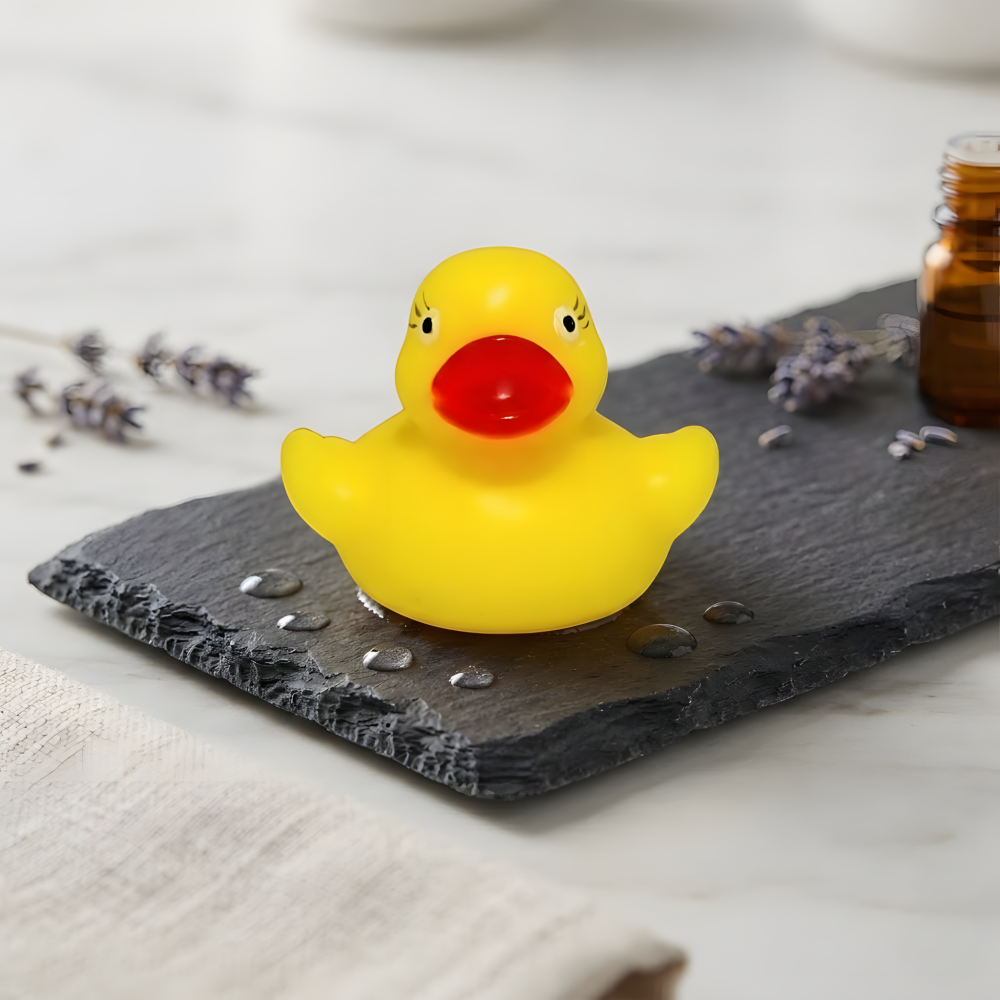
Soap Mold Collection for Handmade Soaps, Candles, and Crafts








Frequently Asked Questions (FAQ)
To protect detailed features like textured fur or crisp facial contours, demold your finished piece slowly by working the silicone edges back gradually. Avoid pulling forcefully on delicate sections or using sharp metal picks and knives inside the mold cavity, as these can scratch the smooth interior. Patient handling ensures clean releases while keeping the flexible form elastic and intact.
While silicone forms adapt well to liquid casting mediums like soap bases, natural waxes, plaster mixes, and resins, specific material suitability depends on the design of the individual mold. For instance, detailed forms handle wax and epoxy resins cleanly, whereas selected heavy-duty forms work best for concrete or fine clay. We recommend checking the specifications on your chosen product page to confirm compatibility for your project.
Wash the mold gently using warm water and a mild soap after each casting session to wash away leftover wax, oil, or plaster residue. Avoid abrasive scrubbers or sharp tools that could scratch or dull the smooth internal surfaces. Once washed, allow the form to dry completely in a clean, dust-free area before packing it away.
Store your clean molds lying flat in their natural shape, ensuring they are not crushed or distorted under heavy items. Keep them in a cool area away from direct sunlight, open flames, and harsh heat sources to preserve silicone elasticity. Following these storage steps maintains fine details and accurate contours across repeated creative uses.