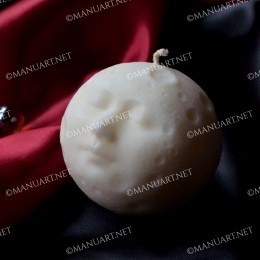
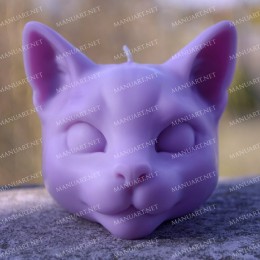
Material compatibility depends on the specific model you select, as certain forms are better suited for soft waxes or soaps while others handle mineral compounds, concrete, or resins. Flexible silicone captures fine details across various liquid mediums, but you should always review the individual product page to confirm compatibility and advice for your chosen design.
Always allow your casting material to fully cure or solidify before starting the extraction process. Peel the flexible silicone walls back gradually and smoothly around high-relief areas rather than pulling with excessive force. Never use sharp instruments such as knives, needles, or metal spatulas, as these can easily slice or pierce the soft inner surfaces.
Wash the form gently after each crafting session using warm water and a mild dish soap. Wipe away remnant wax, plaster dust, or resin residue using a soft cloth or clean hands, avoiding abrasive pads and harsh chemical solvents. Once cleaned, let the mold dry completely in a dust-free area.
Store your molds flat in their natural, undistorted shape so the silicone structure preserves its elasticity over time. Keep them placed in a cool spot away from direct sunlight, heating units, and open flames. Ensuring the molds are fully dry and flat prevents warping between crafting projects.