
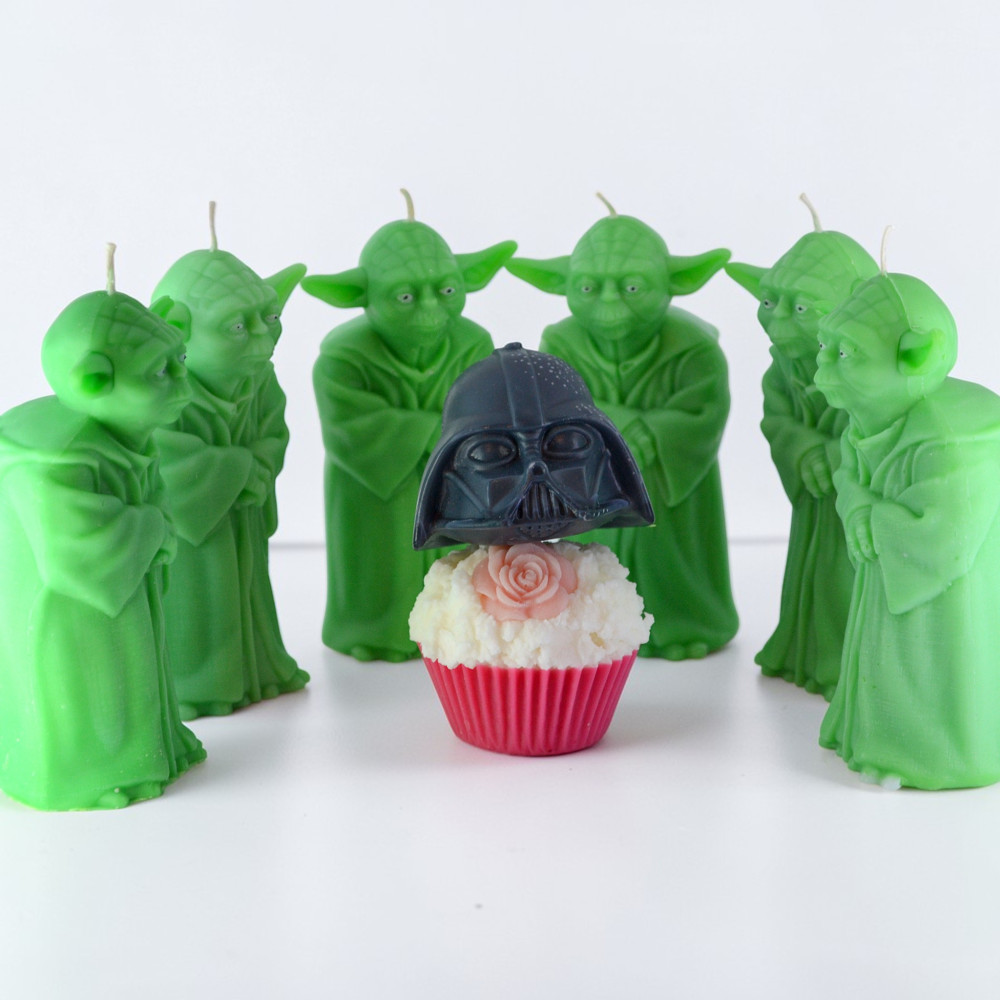
Candle Figurine Mold Collection for Sculptural Casting
Sphynx Cat head
Sphynx Cat Head Mold has finished candle size: • Weight: 130 g / 4.5 oz • Height: 100 mm / 4 inch ..
44.00 €

Big Cat closing his eyes
Shy Cat mold for resin has the size of finished product (candle): • Weight: 205 g / 7.2 oz • Heigh..
40.00 €
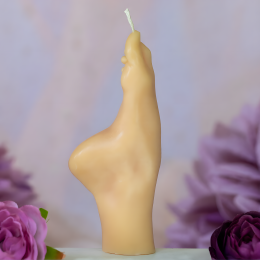
Female foot
Ballerina Foot Mold has the following finished sculpture dimensions:• Approx. finished candle weight..
18.00 €

Meditating cat
Meditating Cat Mold has finished candle size:• Weight: 110 g / 3.8 oz• Height: 110 mm / 4.3 inch• Wi..
35.00 €
Beautiful Sitting Cat
Sitting Cat Mold candle making has finished product (candle) size:• Weight: 130 g / 4.4 oz• Height: ..
20.00 €
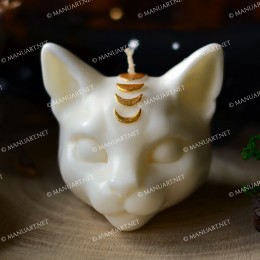
Moon phases cat head 3D
SIZES & KEY INFO• Finished piece weight: 170 g / 6 oz• Height: 75 mm / 3 in• Width: 85 mm / 3.3 ..
20.00 €
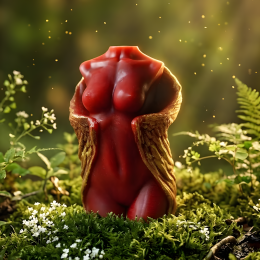
Female #1 torso with wings 3D
Winged Goddess Torso Mold for candles has finished candle size:• Weight: 110 g / 3.8 oz• Height: 100..
25.00 €
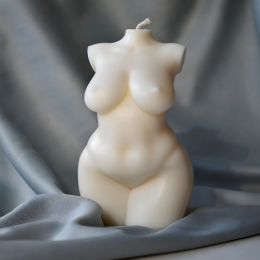
Plus size Woman torso 100mm
Plus Size Woman Torso mold for candle making, resin goddess silicone mould, 100mm/4inch has the fini..
26.00 €
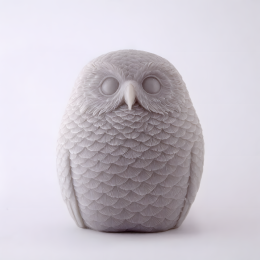
OWL №2
Egg Owl Silicone Mold has the following finished candle dimensions:• Approx. finished candle weight:..
17.00 €
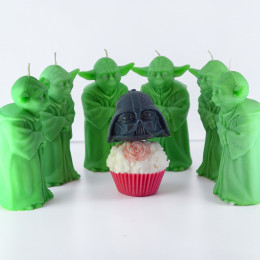
Master Yoda
Master yoda mold has finished product size:• Weight: 107 g (3.77 oz)• Height: 100 mm (3.93 in)• Widt..
22.00 €