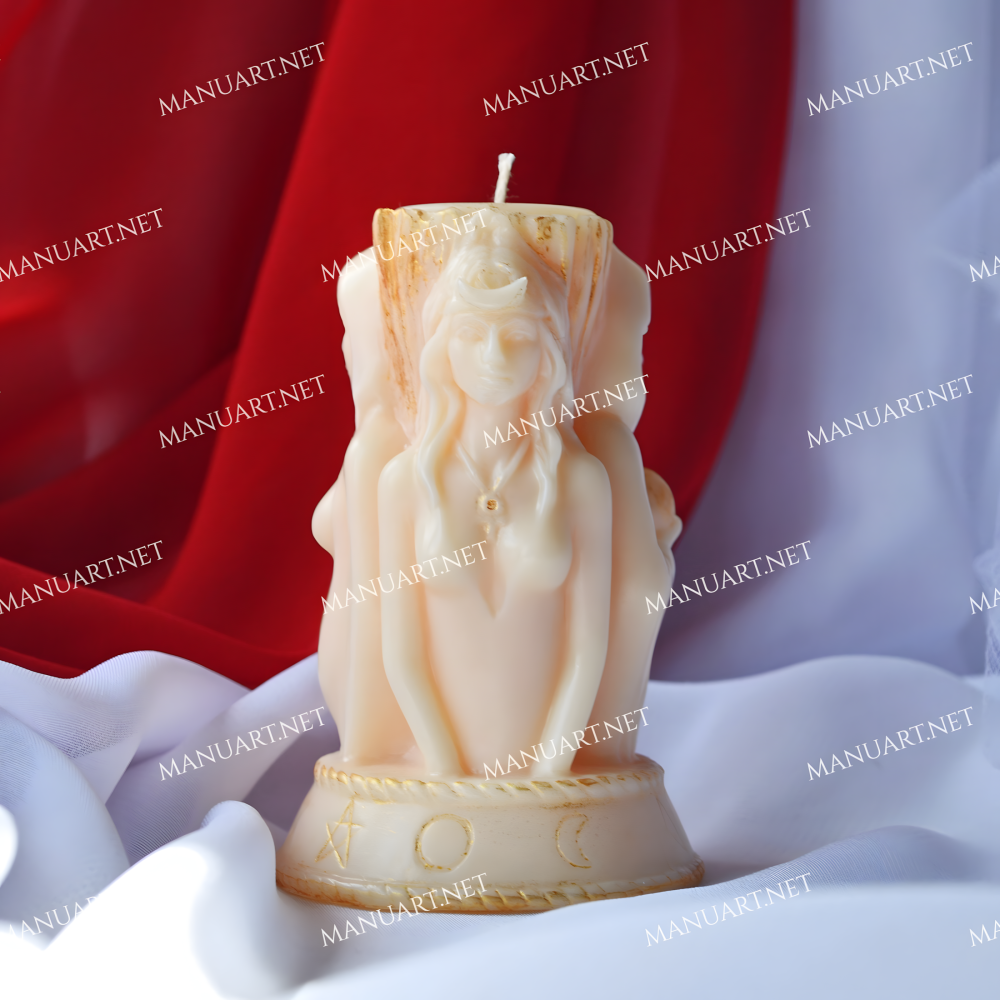
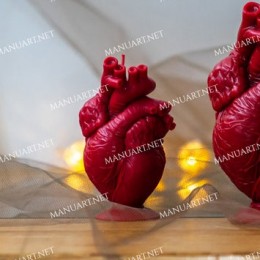
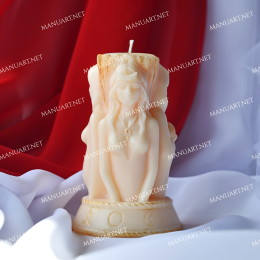
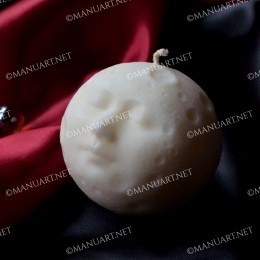
While these forms support a broad array of casting mediums like natural wax, soap, plaster, resin, and concrete, specific compatibility depends on the individual model chosen. Always check the individual product description before selecting your medium to confirm whether that specific design is recommended for your project. Following the recommended pouring techniques for your selected mold will help ensure optimal casting results.
Always handle intricate designs with patience by easing the flexible silicone away from the finished piece gradually rather than pulling forcefully. Be careful not to overstretch or twist narrow sections, as this can break delicate details or distort the form. Never use sharp metal picks, blades, or coarse tools near the silicone surface to aid in releasing the casting.
After completing your pouring project, clean away any remaining wax, soap residue, or casting dust using warm water and mild liquid soap. Make sure the mold is completely dry before storing it flat in its natural shape. Keep stored molds away from direct sunlight, heating elements, and strong heat sources to maintain their quality for future projects.
Yes, casting plaster or gypsum in these detailed forms allows you to produce smooth decorative wall plaques, altar sculptures, or tabletop ornaments ready for hand painting. Crafters can freely experiment with different color palettes, surface finishes, and decorative accents to complete their handcrafted pieces. Always check the individual product details to verify plaster compatibility for your chosen model before pouring.