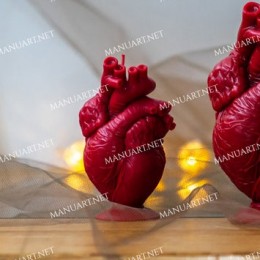
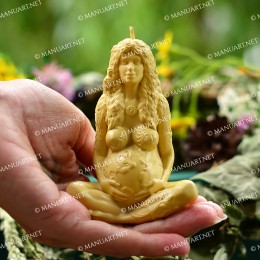
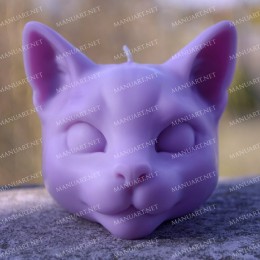
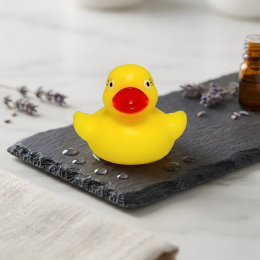
Depending on the specific model chosen, these forms can accommodate liquid epoxy systems, candle wax blends, soap bases, plaster, concrete, or pressed clays. However, because shape, construction, and level of detail vary across the collection, you should always check the individual product details for your selected design. This ensures the mold matches the specific visual finish and casting medium you plan to use.
When demolding intricate sculptures or textured figures, exercise patience by gently peeling the flexible silicone away from the finished cast rather than pulling abruptly on delicate outer features. Never use metal picks or sharp tools to pry the object out, as these can easily scratch the smooth interior surfaces. Working slowly around the contours preserves fine surface textures on both the finished piece and the mold.
Wash your molds gently using lukewarm water and mild liquid soap, making sure to avoid abrasive pads that could scratch the detailed inner lining. Allow the forms to air dry completely before placing them into storage to prevent trapped moisture. Store your silicone forms lying flat in their natural shape, kept far from direct sunlight, open flames, and heavy items that could warp the structure over time.