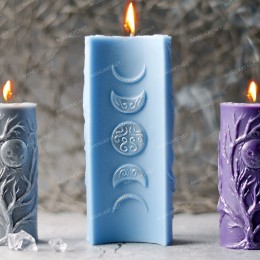
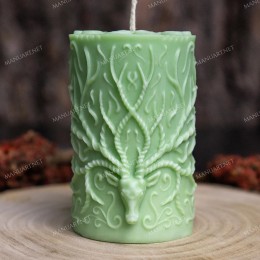
To protect intricate features, ease the flexible silicone away from the cured casting gradually rather than pulling or twisting the piece forcefully. Never use sharp metal picks, knives, or wire brushes inside the cavity to release your item, as scratches can permanently mar future castings. Working gently around fine relief details ensures both your finished figure and the silicone mold remain in ready condition for long-term use.
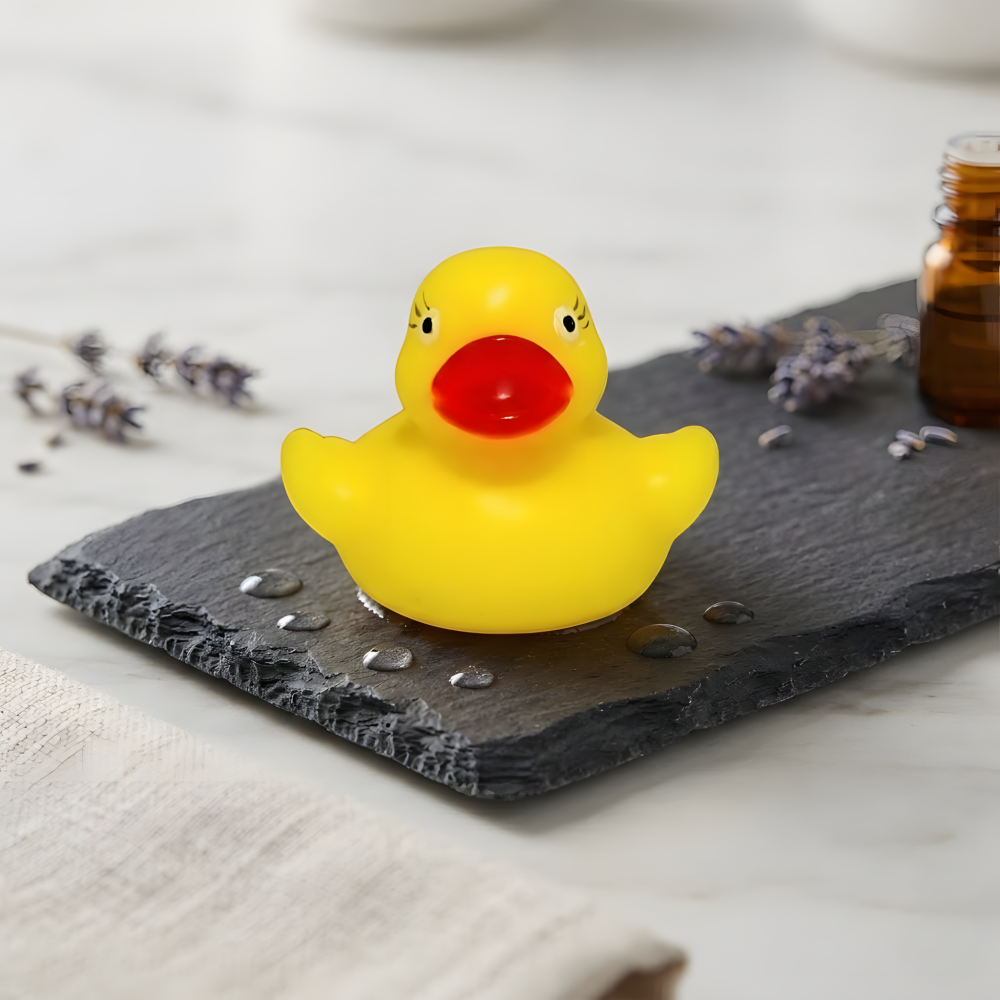
While selected forms like the duck chocolate mold are food-grade silicone suitable for confectionery crafting, not every design in this collection is intended for edible materials. Many forms are designed specifically for craft media such as wax, soap, gypsum plaster, cement, epoxy resin, or polyurethane. Always check the individual product specifications of your selected model to confirm whether it is suitable for food contact.
After finishing a project, clean your silicone forms with mild warm water and soft soap to remove any residual wax, resin, or plaster particles. Ensure the forms dry completely before storing them flat in their natural shape to prevent permanent deformation. Keep stored molds away from direct sunlight, dust, high humidity, and open flames to preserve their quality and flexibility over time.
Yes, the resilient and flexible silicone construction makes these forms reliable tools for helping beginners demold their creations with confidence. Friendly shapes like the Duckling or White Bear offer easy starting points for soap or wax projects, while highly detailed designs like the Millennial Gaia 100mm offer rewarding challenges for advancing crafters. We recommend checking the individual product details to match the right design and casting medium to your workshop skill level.